Meta Description
Learn how to clean and maintain PV Plush, Mink Plush, and Velvet Fabric products correctly. This complete care guide covers washing, drying, stain removal, and daily maintenance to extend fabric service life and preserve texture.
Introduction
PV Plush Fabric,
Mink Plush Fabric, and Velvet Fabric are three of the most widely used premium textile materials for home furnishings, plush toys, apparel, and decorative accessories. Products crafted from PV Plush Fabric, Mink Plush Fabric, and Velvet Fabric are favored for their soft texture, rich color saturation, and elegant decorative effects. However, PV Plush Fabric, Mink Plush Fabric, and Velvet Fabric have unique fiber structures and pile characteristics that require targeted daily care and professional cleaning methods. Improper washing, drying, or daily maintenance will easily cause common problems such as pile flattening, fiber shedding, color fading, luster loss, and fabric hardening, greatly shortening the service life of PV Plush Fabric, Mink Plush Fabric, and Velvet Fabric products.
A scientific and standardized care routine is essential to maintain the original softness, fluffiness, and aesthetic performance of PV Plush Fabric, Mink Plush Fabric, and Velvet Fabric goods. Many users confuse the maintenance rules of PV Plush Fabric, Mink Plush Fabric, and Velvet Fabric due to their similar soft appearance, adopting universal cleaning methods that damage fabric structure and texture. This professional care guide elaborates on targeted washing techniques, drying standards, stain removal solutions, daily maintenance tips, and taboo operations for PV Plush Fabric, Mink Plush Fabric, and Velvet Fabric, helping users and manufacturers properly protect plush and velvet products and maintain long-term stable fabric quality.
Basic Fabric Traits That Determine PV Plush, Mink Plush And Velvet Fabric Care Rules
Before learning specific care methods, it is necessary to understand the structural characteristics of PV Plush Fabric, Mink Plush Fabric, and Velvet Fabric, as these traits form the core basis of all maintenance specifications. PV Plush Fabric features compact, uniform short-pile structure with tight fiber fixation, outstanding wear resistance, and strong washability, tolerating conventional daily cleaning with stable structural performance. Mink Plush Fabric adopts layered ultra-fine fiber fluffing structure with loose staggered piles, delivering superior fluffiness and softness but poor compression resistance and friction tolerance, requiring mild and delicate care to avoid pile damage.
Velvet Fabric has a neat directional cut-pile structure with smooth surface luster and delicate fiber arrangement. Velvet Fabric is sensitive to high temperature, strong friction, and improper flipping, which easily causes pile disorder, shading marks, and luster attenuation. The structural differences of PV Plush Fabric, Mink Plush Fabric, and Velvet Fabric determine that they cannot share identical care procedures. Only targeted maintenance according to fabric traits can effectively protect the texture and service life of PV Plush Fabric, Mink Plush Fabric, and Velvet Fabric products.
Universal Pre-Care Principles For PV Plush Fabric, Mink Plush Fabric And Velvet Fabric Products
All products made from PV Plush Fabric, Mink Plush Fabric, and Velvet Fabric need to follow universal pre-care rules to avoid unnecessary damage during cleaning and daily use. First, avoid long-term direct sunlight exposure for PV Plush Fabric, Mink Plush Fabric, and Velvet Fabric. Strong ultraviolet rays will damage fiber molecular structure, cause gradual color fading, dull luster, and fiber aging, reducing fabric softness and toughness. Place plush and velvet products in well-ventilated and shaded areas for daily placement.
Second, keep PV Plush Fabric, Mink Plush Fabric, and Velvet Fabric products away from high-temperature environments and heat sources. High temperature will deform synthetic fibers, harden fabric surface, and destroy the fluffy three-dimensional structure of Mink Plush Fabric and PV Plush Fabric, as well as the flat luster of Velvet Fabric. Third, prevent sharp object scratching and excessive friction to avoid pile breakage, fiber pulling, and surface damage of PV Plush Fabric, Mink Plush Fabric, and Velvet Fabric. Fourth, conduct regular dust removal for PV Plush Fabric, Mink Plush Fabric, and Velvet Fabric products to prevent long-term dust accumulation from blocking fiber gaps and breeding bacteria, maintaining fabric cleanliness and softness.
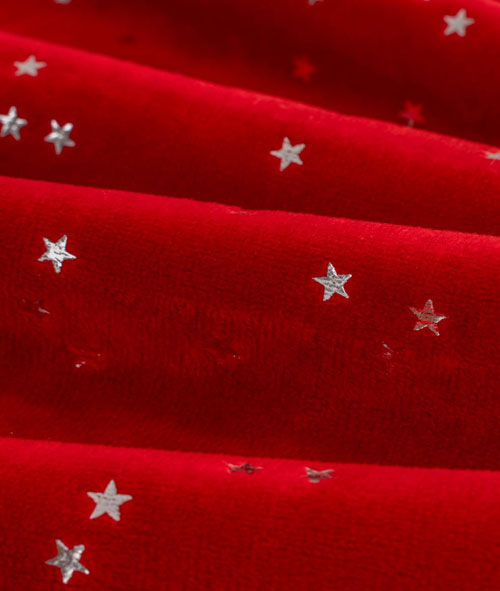
Targeted Washing Guide For PV Plush Fabric, Mink Plush Fabric And Velvet Fabric
PV Plush Fabric Washing Methods
PV Plush Fabric is the most wash-resistant among the three materials, supporting both hand washing and gentle machine washing, suitable for daily repeated cleaning of frequently used products. For daily light dirt on PV Plush Fabric products, users can adopt low-temperature water hand washing with neutral mild detergent. The water temperature should be controlled below 30 degrees Celsius to avoid fiber deformation and color fading. Gently press and rub the PV Plush Fabric surface instead of hard scrubbing to prevent pile tilting and fiber shedding.
For large-area PV Plush Fabric products such as blankets and large plush toys, gentle machine washing is available. Users need to put PV Plush Fabric products into a laundry bag, select the soft or plush fabric mode, and avoid high-speed spinning and strong stirring. After washing, take out PV Plush Fabric products in time to prevent long-term soaking, which will cause fabric hardening and color dullness. PV Plush Fabric has excellent color fastness and structural stability, and standardized washing will not affect its original flat and fluffy texture.
Mink Plush Fabric Washing Methods
Mink Plush Fabric requires mild and low-frequency cleaning due to its delicate layered fluffy structure. Frequent machine washing is strictly prohibited for Mink Plush Fabric products, as strong stirring and extrusion will destroy layered pile arrangement, cause pile matting, flattening, and irreversible fluffiness loss. Daily light cleaning of Mink Plush Fabric is recommended to adopt local wiping and hand washing modes.
For overall cleaning of Mink Plush Fabric products, use cold or low-temperature warm water with neutral detergent, soak for no more than 10 minutes, and gently press to remove stains. Do not twist or wring Mink Plush Fabric products forcefully, which will break ultra-fine fibers and damage three-dimensional fluffy layering. After cleaning, rinse Mink Plush Fabric thoroughly to avoid residual detergent from causing fiber hardening and skin irritation. High-temperature washing, alkaline detergent, and high-speed spinning are all taboo for Mink Plush Fabric maintenance.
Velvet Fabric Washing Methods
Velvet Fabric focuses on protecting directional cut-pile neatness and surface luster during washing. Velvet Fabric is prone to shading marks and pile disorder after improper cleaning, so standardized operation is crucial. It is recommended to wash Velvet Fabric products inside out to reduce surface friction and protect upright pile structure. Adopt low-temperature cold water hand washing or professional gentle machine washing, avoiding high temperature and strong mechanical friction.
Use only neutral detergent for Velvet Fabric cleaning; acidic and alkaline cleaners will damage fiber surface and cause luster loss and color deviation. During washing, follow the pile direction for gentle wiping instead of reverse rubbing, which can effectively prevent pile disorder and dark shading. After washing, avoid violent dehydration and extrusion, and naturally drain excess water to maintain the flat and smooth texture of Velvet Fabric.
Scientific Drying And Shaping Maintenance For PV Plush, Mink Plush And Velvet Fabric
Drying process directly determines the post-wash texture of PV Plush Fabric, Mink Plush Fabric, and Velvet Fabric products, and incorrect drying is the main cause of fabric hardening and flattening. All PV Plush Fabric, Mink Plush Fabric, and Velvet Fabric products are prohibited from high-temperature drying and sun exposure. High-temperature drying will shrink synthetic fibers and harden the fabric surface, while sun exposure will cause uneven fading and luster attenuation.
For PV Plush Fabric products, choose cool and ventilated places for natural hanging drying. During the drying process, gently pat the PV Plush Fabric surface regularly to restore pile fluffiness and avoid local hardening caused by uneven water evaporation. After complete drying, PV Plush Fabric can quickly restore its original flat and elastic state with simple finishing.
For Mink Plush Fabric products, flat drying is more suitable than hanging drying to prevent fiber stretching and pile deformation caused by gravity. After drying, use a soft sparse comb to gently card the Mink Plush Fabric piles along the growth direction to restore layered three-dimensional fluffiness. Regular carding is the key to maintain the premium texture of Mink Plush Fabric, effectively solving pile matting and tilting problems.
For Velvet Fabric products, flat drying in a cool and ventilated environment is recommended to avoid pile deformation and surface wrinkles. After drying, gently smooth the Velvet Fabric surface along the pile direction to eliminate slight shading marks and restore uniform luster. Do not iron Velvet Fabric at high temperature; low-temperature steam ironing can be used for minor wrinkle finishing to protect the delicate cut-pile structure.
Effective Stain Removal Tips For PV Plush Fabric, Mink Plush Fabric And Velvet Fabric
Different stains require targeted removal methods for PV Plush Fabric, Mink Plush Fabric, and Velvet Fabric to avoid secondary damage. For daily dust and floating dirt on PV Plush Fabric, Mink Plush Fabric, and Velvet Fabric, regular vacuum cleaning with a soft brush head is the most efficient daily maintenance method, which can clean surface dust without damaging fabric piles.
For water-based stains such as beverage stains and sweat stains on PV Plush Fabric and Mink Plush Fabric, use a clean damp cloth dipped in a small amount of neutral detergent to wipe locally, then wipe with clean water and dry naturally. Avoid excessive water penetration to prevent internal mold and odor of plush fabrics. For oil stains on Velvet Fabric, use professional fabric degreasing cleaner for local spot cleaning, and avoid large-area water washing to prevent pile disorder and water marks.
For stubborn stains, do not use bleach, strong disinfectant, or corrosive cleaning agents on PV Plush Fabric, Mink Plush Fabric, and Velvet Fabric. These chemical agents will damage fiber structure, cause irreversible fading, hardening, and brittleness, completely destroying the fabric texture and ornamental value.
Long-Term Storage And Daily Protection Rules
Reasonable long-term storage is crucial to maintain the service life of PV Plush Fabric, Mink Plush Fabric, and Velvet Fabric products. Before long-term storage, ensure PV Plush Fabric, Mink Plush Fabric, and Velvet Fabric products are completely clean and dry to avoid mold growth and odor breeding in humid environment. Store plush and velvet products in dry, ventilated, and dust-proof storage spaces, avoiding long-term compression.
Long-term heavy compression will cause permanent pile flattening of Mink Plush Fabric and PV Plush Fabric, and fixed indentation deformation of Velvet Fabric, which is difficult to repair. For high-grade Mink Plush Fabric and Velvet Fabric decorative products, use dust-proof covers for protection during storage to isolate dust and maintain long-term texture neatness. Regularly take out PV Plush Fabric, Mink Plush Fabric, and Velvet Fabric products for ventilation and patting to restore fabric elasticity and fluffiness.
Common Care Mistakes To Avoid
Most fabric damage of PV Plush Fabric, Mink Plush Fabric, and Velvet Fabric products is caused by daily maintenance errors. Common mistakes include high-temperature washing and sun exposure, frequent strong machine washing of Mink Plush Fabric, reverse rubbing of Velvet Fabric piles, long-term compression storage, and use of corrosive detergents. These incorrect operations will gradually damage the fiber structure of PV Plush Fabric, Mink Plush Fabric, and Velvet Fabric, leading to texture attenuation, color fading, and shortened service life.
In addition, many users ignore regular dust removal and finishing, resulting in long-term dust accumulation and pile matting of PV Plush Fabric, Mink Plush Fabric, and Velvet Fabric. Adhering to standardized maintenance habits can maximize the retention of fabric softness, fluffiness, and luster, maintaining the original quality of plush and velvet products for a long time.
Conclusion
PV Plush Fabric, Mink Plush Fabric, and Velvet Fabric have unique maintenance requirements due to their different structural characteristics, and targeted care is the key to extending product service life and retaining premium texture. PV Plush Fabric supports conventional daily washing and durable maintenance, suitable for frequent cleaning of daily products. Mink Plush Fabric needs mild low-frequency cleaning, regular carding, and anti-compression protection to maintain layered fluffy texture. Velvet Fabric requires careful pile protection, low-temperature cleaning, and standardized finishing to preserve elegant surface luster and flatness.
By following scientific washing, drying, stain removal, and storage rules for PV Plush Fabric, Mink Plush Fabric, and Velvet Fabric, users and manufacturers can effectively avoid common fabric damage problems, maintain stable product performance and ornamental value, and maximize the cost performance of plush and velvet textile products. Standardized daily care is the most economical and effective way to protect PV Plush Fabric, Mink Plush Fabric, and Velvet Fabric products for long-term use.

 Pусский
 日本語
日本語 한국어
한국어 العربية



 WhatsApp
 Phone
Phone
Comment
(0)