Meta Description
Learn core
Mink Plush Fabric production standards and professional texture selection tips for wholesalers. Master quality grading, technical specifications, and bulk selection rules to source premium Mink Plush Fabric for home textiles and plush products.
Introduction
Mink Plush Fabric has become a core high-end plush material in the global wholesale textile market, widely favored by wholesalers, manufacturers, and retailers for its ultra-soft simulated fur texture, superior warmth, and luxurious visual layering. Mink Plush Fabric is mainly used for high-end blankets, luxury home textiles, premium plush toys, warm apparel accessories, and decorative craft products, occupying an irreplaceable market position in mid-to-high-end plush textile wholesale. For textile wholesalers, mastering professional
Mink Plush Fabric Production Standards and accurate texture selection tips is the key to controlling bulk product quality, avoiding low-quality inventory, stabilizing customer resources, and improving wholesale profit margins. Many novice wholesalers often face quality inconsistency, uneven texture, unqualified color fastness, and poor resilience of bulk Mink Plush Fabric due to unfamiliarity with formal Mink Plush Fabric production standards, resulting in customer complaints and inventory losses.
Different from ordinary short-pile plush fabrics, Mink Plush Fabric has stricter production technical thresholds and more refined texture grading standards. The production process of Mink Plush Fabric involves fiber selection, knitting weaving, layered fluffing, high-temperature shaping, dyeing and finishing, and quality inspection. Every link directly determines the final texture, durability, and usability of Mink Plush Fabric products. Meanwhile, Mink Plush Fabric has diverse texture types and softness grades, and targeted texture selection according to downstream product positioning is essential for precise wholesale supply. This comprehensive guide systematically sorts out authoritative Mink Plush Fabric production standards covering material specifications, technical parameters, and safety indicators, and summarizes practical texture selection tips exclusively for textile wholesalers, helping wholesalers efficiently screen high-quality bulk Mink Plush Fabric and match suitable textures for different downstream products.
Core Industrial Production Standards For Qualified Mink Plush Fabric
Formal Mink Plush Fabric bulk production must comply with unified industrial production standards, covering raw material fiber specifications, weaving process standards, pile structure parameters, dyeing and finishing norms, and safety quality indicators. These standardized parameters are the fundamental basis for wholesalers to judge whether Mink Plush Fabric bulk goods are qualified, effectively distinguishing high-standard finished Mink Plush Fabric from inferior defective products.
Raw Material Fiber Production Standards: Qualified Mink Plush Fabric is purely made of high-quality superfine polyester fibers, which is the core raw material standard for industrial production. Standard Mink Plush Fabric requires uniform fiber fineness, no mixed coarse fibers or impurity fibers, ensuring the overall softness and smoothness of Mink Plush Fabric. The fiber tensile strength of qualified Mink Plush Fabric must reach industrial standard values, avoiding fiber breakage, pile shedding, and fluff collapse in subsequent weaving and finished product use. Inferior Mink Plush Fabric often mixes recycled fibers or coarse fibers, leading to hard texture, serious hair loss, and poor resilience, which cannot meet the wholesale supply standard of high-end plush textiles. All raw materials used for standard Mink Plush Fabric production must be non-toxic, odorless, and hypoallergenic, meeting global civilian textile safety requirements.
Weaving And Pile Structure Production Standards: The unique layered fluffy structure of Mink Plush Fabric relies on standardized weaving and fluffing processes. Industrial standard Mink Plush Fabric adopts professional warp knitting technology to ensure tight base fabric weaving, uniform pile distribution, and no sparse or blank areas on the fabric surface. The pile height of conventional wholesale Mink Plush Fabric is uniformly controlled within the standard range, with consistent height of all piles and natural layered arrangement. Standard Mink Plush Fabric requires three-dimensional fluffing treatment to form a multi-layer fluffy structure, avoiding the flat single-layer defect of low-grade plush fabrics. The pile fixation process of Mink Plush Fabric must be strictly implemented to ensure firm combination of piles and base fabric, effectively reducing floating hair and shedding rate, which is a key technical standard for bulk Mink Plush Fabric quality stability.
Dyeing And Color Fastness Production Standards: Color quality is an important inspection item of Mink Plush Fabric production standards. Qualified Mink Plush Fabric adopts environmental protection reactive dyeing process, with uniform coloring, pure color tone, no color spots, color difference, or partial fading. The washing color fastness and light color fastness of standard Mink Plush Fabric meet industrial textile standards, ensuring no fading or staining after repeated cleaning and long-term light exposure. In addition, standard Mink Plush Fabric requires no color residue and no peculiar smell after dyeing and high-temperature setting, avoiding chemical residue problems that affect product safety. Wholesalers must reject bulk Mink Plush Fabric with uneven color, dull luster, or pungent odor, which are typical unqualified production defects.
Shaping And Resilience Production Standards: Finished Mink Plush Fabric must pass standardized high-temperature shaping and resilience testing. Standard Mink Plush Fabric has stable shaping performance, no shrinkage, deformation, or wrinkle after cutting, processing, and washing. The fluffy resilience of Mink Plush Fabric meets industrial standards, and the compressed piles can quickly rebound to a three-dimensional fluffy state without permanent indentation or collapse. Unstandardized Mink Plush Fabric often has unstable shaping, easy shrinkage after washing, and poor resilience, which will lead to a large number of defective finished products in downstream processing and affect wholesaler reputation.
Safety And Environmental Protection Production Standards: As a direct contact civilian textile, Mink Plush Fabric must comply with unified environmental protection and safety production standards. Qualified Mink Plush Fabric is free of formaldehyde, harmful chemical residues, and allergenic ingredients, with safe and skin-friendly performance. The production process of standard Mink Plush Fabric avoids excessive chemical treatment, ensuring that the finished fabric is hypoallergenic and suitable for children’s products and close-fitting home textiles. All bulk Mink Plush Fabric for wholesale must pass conventional textile safety inspections to meet the supply requirements of global civilian textile markets.
Key Texture Classification Of Standard Mink Plush Fabric For Wholesale
To achieve precise matching and graded wholesale supply, wholesalers need to clarify the mainstream texture classification of standard Mink Plush Fabric. Different texture types of Mink Plush Fabric have distinct softness, fluffiness, thickness, and luster performance, corresponding to different downstream product positioning and market price ranges. Mastering texture classification helps wholesalers classify inventory accurately and meet differentiated customer procurement needs.
Ultra-Soft Fine Pile Mink Plush Fabric: This is the high-end texture type of Mink Plush Fabric, made of ultra-fine superfine fibers through precise layered fluffing. This Mink Plush Fabric features extremely delicate and dense piles, cloud-like ultra-soft touch, natural and gentle luster, and strong three-dimensional layering. The texture of this Mink Plush Fabric is smooth and non-granular, with excellent skin friendliness, no floating hair, and high resilience. It is the top-grade texture of Mink Plush Fabric, mainly used for high-end custom blankets, luxury home textiles, and premium gift plush products, targeting high-end wholesale market demand.
Medium Fluff Conventional Mink Plush Fabric: This is the most mainstream and cost-effective texture type of Mink Plush Fabric in the wholesale market. This Mink Plush Fabric has moderate pile height, uniform and neat pile arrangement, balanced softness and support, stable texture, and no messy fluff. The touch of this Mink Plush Fabric is soft and solid, with natural luster and strong practicability. It has excellent comprehensive performance in wear resistance, resilience, and easy maintenance, suitable for mass wholesale supply. This texture of Mink Plush Fabric is widely used in conventional warm blankets, household decorative cushions, and ordinary high-quality plush products, covering most mid-end market demand.
Thickened High-Warmth Mink Plush Fabric: This texture of Mink Plush Fabric is optimized for cold season warm products, with increased pile density and thickness on the basis of standard technology. This Mink Plush Fabric has stronger three-dimensional fluffiness and better air locking performance, providing superior warmth retention. The texture is full and thick, with stable compression resistance, not easy to flatten. Although the softness is slightly lower than ultra-fine pile Mink Plush Fabric, its warmth and three-dimensional sense are more prominent. It is mainly used for winter thick blankets, warm bedding, and cold-resistant textile products, suitable for seasonal centralized wholesale supply.
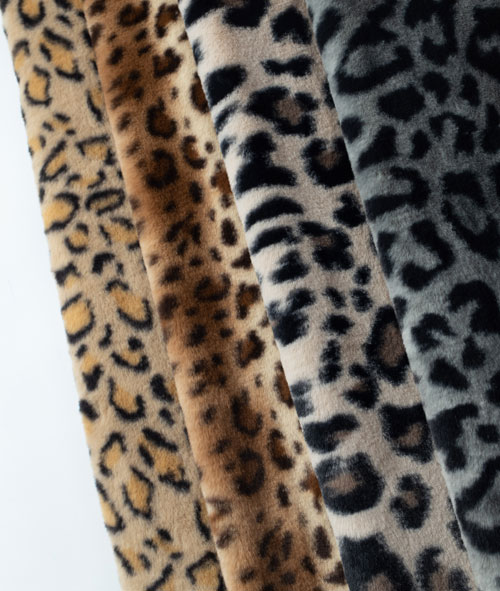
Printed Pattern Mink Plush Fabric: On the basis of solid-color standard Mink Plush Fabric, this texture realizes personalized pattern presentation through environmentally friendly printing technology. The base fabric texture of printed Mink Plush Fabric still meets industrial production standards, with neat piles and soft touch. The printed patterns are clear, layered, and not easy to fall off or fade. This Mink Plush Fabric has both soft texture and decorative aesthetics, suitable for customized wholesale of decorative home textiles and creative plush products, meeting personalized procurement needs of downstream manufacturers.
Professional Texture Selection Tips For Mink Plush Fabric Wholesale
Combined with production standards and texture classification, targeted Mink Plush Fabric selection tips are summarized for wholesalers to help quickly screen high-quality bulk goods, avoid defective fabrics, and realize precise matching of fabric texture and downstream products. These practical selection skills cover visual inspection, tactile judgment, physical test, and scene matching, suitable for on-site inspection and batch procurement of Mink Plush Fabric.
Visual Inspection Selection Tips: Wholesalers should first observe the surface state of Mink Plush Fabric. High-quality standard Mink Plush Fabric has uniform pile arrangement, consistent pile height, flat and neat surface, no sparse spots, bald areas, or messy inclined piles. The color of qualified Mink Plush Fabric is uniform and full, with natural and soft luster, no dull gray surface or color difference. Inferior unqualified Mink Plush Fabric has uneven piles, chaotic arrangement, partial sparseness, and dim color, which are intuitive judgment marks of substandard production. At the same time, check the base fabric of Mink Plush Fabric, the qualified base fabric is tight and flat, no loose lines or holes, ensuring stable fabric structure.
Tactile Texture Selection Tips: Hand touch is the most direct way to judge Mink Plush Fabric quality and texture grade. High-quality Mink Plush Fabric feels delicate, smooth, and fluffy, with uniform softness in all areas, no hard particles or rough texture. Squeeze the Mink Plush Fabric gently and release it quickly; qualified Mink Plush Fabric can instantly rebound to a full fluffy state without local collapse or indentation. Rub the fabric surface slightly with hands; standard Mink Plush Fabric has almost no floating hair shedding, while inferior Mink Plush Fabric has serious hair loss and rough touch. Wholesalers can distinguish ultra-soft, conventional, and thickened Mink Plush Fabric textures through tactile delicacy and fluffiness to complete graded selection.
Physical Performance Test Selection Tips: For bulk wholesale procurement, simple physical tests can verify whether Mink Plush Fabric meets production standards. The water washing test can check the color fastness and shrinkage rate of Mink Plush Fabric; qualified Mink Plush Fabric does not fade or shrink after washing. The compression test can verify the resilience of Mink Plush Fabric; standard products maintain long-term fluffy stability. The tensile test checks the firmness of the base fabric and piles; qualified Mink Plush Fabric does not crack or shed a large area of fibers after moderate stretching. These simple tests can effectively screen out unqualified Mink Plush Fabric bulk goods and reduce wholesale quality risks.
Scenario-Based Texture Matching Selection Tips: Wholesalers need to match different Mink Plush Fabric textures according to downstream customer product types to improve procurement accuracy and market competitiveness. For high-end gift blankets, baby textiles, and close-fitting products, select ultra-soft fine pile Mink Plush Fabric with top texture and safety performance. For daily household blankets, decorative cushions, and conventional plush products, select cost-effective conventional medium fluff Mink Plush Fabric to balance quality and cost. For winter warm thick products, select thickened high-warmth Mink Plush Fabric to meet seasonal functional needs. For personalized decorative products, select printed Mink Plush Fabric with clear patterns and stable coloring. Accurate texture matching can effectively improve customer satisfaction and repeat order rate for wholesalers.
Batch Consistency Selection Tips: Bulk wholesale of Mink Plush Fabric needs to focus on batch consistency. High-standard production of Mink Plush Fabric ensures consistent texture, color, pile height, and softness of different batches of goods. Wholesalers need to sample and compare different batches of Mink Plush Fabric to avoid batch differences such as color deviation and uneven fluffiness, which will cause downstream processing difficulties and customer returns. Stable batch consistency is an important symbol of formal standard Mink Plush Fabric and a key guarantee for long-term wholesale business operation.
Common Unqualified Mink Plush Fabric Problems And Wholesale Avoidance Strategies
In the wholesale market, many inferior Mink Plush Fabric products fail to meet industrial production standards, with common defects such as unqualified pile fixation, poor color fastness, insufficient resilience, and uneven texture. Wholesalers need to master identification methods to avoid stocking unqualified Mink Plush Fabric.
The first common problem is serious hair shedding caused by substandard pile fixation technology. This kind of Mink Plush Fabric has loose pile bonding, a large amount of floating hair falls off during touching and washing, which affects product hygiene and use experience. Wholesalers need to conduct rubbing and washing tests in advance to eliminate such defective goods. The second problem is unqualified color fastness, resulting in fading and staining after washing, which is caused by non-standard dyeing production process. The third problem is poor resilience and easy flattening, due to unqualified fiber fineness and insufficient fluffing process, making Mink Plush Fabric lose fluffy texture after short-term use. The fourth problem is inconsistent texture in the same batch, caused by irregular production parameter control, leading to uneven product quality.
Wholesalers should establish strict sampling inspection standards for bulk procurement, take samples from multiple positions and batches for comprehensive detection of texture, color, resilience, and hair shedding, and refuse all Mink Plush Fabric products that do not meet industrial production standards. Long-term adherence to standard procurement can stabilize wholesale product quality and build good market reputation.
Conclusion
Standardized production standards and scientific texture selection are the core foundations of successful Mink Plush Fabric wholesale business. Qualified Mink Plush Fabric must meet strict specifications in raw material fibers, weaving structure, dyeing and finishing, shaping resilience, and safety environmental protection, which together determine the comprehensive quality of Mink Plush Fabric bulk goods. Different texture types of Mink Plush Fabric have unique performance advantages and applicable scenarios, and wholesalers can achieve precise supply and differentiated market competition through professional texture identification and scenario matching selection skills.
For textile wholesalers, proficiently mastering Mink Plush Fabric production standards and texture selection tips can effectively avoid quality risks, optimize inventory structure, meet the differentiated procurement needs of downstream manufacturers, and improve wholesale profitability and market competitiveness. Adhering to standard-based procurement and refined texture selection is the long-term operation strategy for wholesalers to stabilize the Mink Plush Fabric wholesale market and maintain sustainable business growth.

 Pусский
 日本語
日本語 한국어
한국어 العربية



 WhatsApp
 Phone
Phone
Comment
(0)