

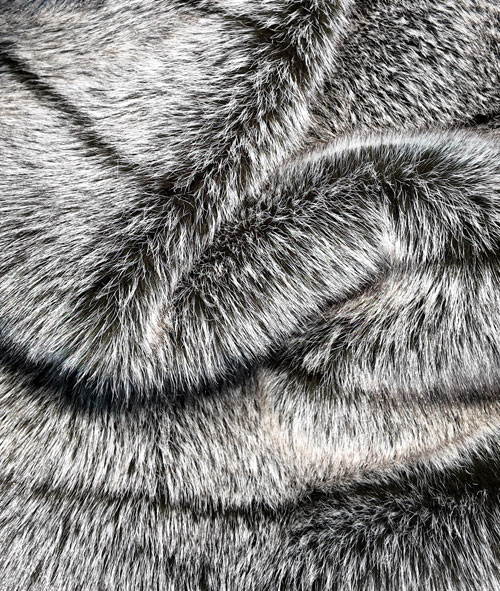
Characteristics: Mimics the feel of mink fur; the surface is smooth with a beautiful drape; the pile is dense and upright; it features a soft, lustrous sheen and offers substantial warmth.
Selling Points: Premium faux-mink texture with a luxurious appearance; excellent cold protection and heat retention; durable and resistant to shedding; a popular choice for garments and blankets.
Customization is available for fabric weight, width, and patterns (prints or solid colors); suitable for export applications including apparel, home textiles, and linings for bags and luggage.
As a professional textile manufacturer based in Tonggang Industrial Park, Changshu Economic Development Zone, Jiangsu Province, China, we have been focusing on fabric development and production for decades. Since the early 1990s, our company has continuously expanded from a single weaving workshop into an integrated textile enterprise covering chemical fiber spinning, warp knitting, dyeing, printing, finishing, home textile manufacturing, and international trade.
Among our wide range of textile products, sable fabric has become one of the products that many customers pay attention to because of its soft touch, elegant appearance, and flexible application possibilities. As a type of mink fleece fabric, sable fabric combines warmth, comfort, and visual appeal, making it suitable for blankets, bedding products, home decoration textiles, fashion accessories, and many other applications.
When we develop sable fabric, we do not simply focus on making a fabric that feels soft. We pay more attention to the complete user experience, including fiber selection, surface density, color stability, durability, production consistency, and the final performance after sewing and processing. This is why our sable fabric is widely used by customers who need reliable quality for bulk production.
Sable fabric is a plush textile material designed to provide a smooth, warm, and luxurious feeling. Although the name comes from the appearance of sable fur, modern sable fabric is generally made from high-quality synthetic fibers such as polyester. Through advanced knitting and finishing processes, the surface can achieve a dense, soft, and fur-like texture while maintaining better durability and easier care compared with natural fur materials.
In our production process, sable fabric belongs to the category of mink fleece fabric. The key difference between ordinary fleece and sable-style fleece is the surface effect. Sable fabric usually has a finer pile structure, smoother hand feeling, and more elegant visual depth. When customers touch the fabric, they can immediately feel the difference.
For manufacturers of blankets, cushions, throws, pet products, and winter home textiles, fabric performance directly affects the final product value. A fabric that looks attractive but loses softness after washing cannot create long-term customer satisfaction. Therefore, we focus on balancing appearance, comfort, and practical performance.
| Item | Description |
| Product Type | Sable fabric / Mink fleece fabric |
| Main Material | High-quality polyester fiber |
| Surface Style | Soft mink-like plush surface with smooth touch |
| Typical Weight Range | 200-500 GSM depending on customer requirements |
| Main Processing | Knitting, dyeing, brushing, finishing, quality inspection |
| Applications | Blankets, quilts, cushions, home textiles, apparel accessories |
Source: Typical textile production parameters based on our factory production experience and industry standard fleece fabric specifications.
During years of fabric manufacturing, we have learned that customers usually care about several important points: softness, appearance, stability, processing ability, and delivery consistency. Our sable fabric is developed around these practical requirements.
The first impression of sable fabric is softness. We use carefully selected fibers and optimized brushing technology to create a smooth surface with a comfortable touch. This feature is especially important for products that directly contact the skin, such as blankets, throws, and bedding accessories.
Unlike some low-quality plush fabrics that feel rough after repeated use, our sable mink fleece fabric focuses on maintaining softness during long-term use. Proper fiber arrangement and finishing treatment help improve surface stability and reduce unwanted shedding.
One important advantage of sable fabric is the balance between warmth and weight. The dense fiber structure helps create insulation performance while keeping the fabric comfortable and easy to handle.
For blanket manufacturers, this balance is valuable because consumers want products that feel warm but are not too heavy. By adjusting fabric weight, pile height, and finishing methods, we can provide different solutions according to market requirements.
Color is another important factor for textile buyers. Sable fabric is often used in products where appearance directly affects purchasing decisions. We provide various color options and focus on improving color consistency during dyeing.
Our integrated production structure allows us to better control each step from yarn preparation to final finishing. This helps reduce differences between production batches and provides more stable supply for customers who need continuous orders.
Different customers have different expectations for fabrics. A blanket manufacturer may focus more on warmth and softness, while a home textile brand may pay more attention to appearance and color options. The following comparison shows common performance differences between sable fabric and several traditional fleece materials.
| Fabric Type | Softness | Warmth | Appearance | Typical Applications |
| Sable Mink Fleece Fabric | High | High | Smooth plush effect | Premium blankets, home textiles |
| Standard Polar Fleece | Medium | Medium-High | Simple fleece surface | Outdoor clothing, basic blankets |
| Flannel Fabric | Medium-High | Medium | Soft brushed surface | Sleepwear, bedding |
| Velvet Fabric | High | Medium | Smooth glossy surface | Decoration, fashion products |
Source: Comparison based on general textile performance characteristics and our manufacturing experience with different fabric categories.
Producing high-quality sable fabric requires more than a single machine. It is a complete process involving fiber selection, knitting technology, dyeing control, surface treatment, and final inspection. Because our company has developed an integrated textile production system, we can manage the entire manufacturing chain more efficiently.
The quality of fabric starts from the fiber. We select suitable polyester fibers according to the customer's requirements, including softness, strength, color effect, and final application.
During yarn preparation, we focus on consistency because uneven yarn quality can influence the final surface effect. Stable yarn performance helps create a more uniform plush structure.
The knitting stage determines the basic structure of sable fabric. Our production team adjusts machine parameters according to fabric specifications, controlling density, elasticity, and surface structure.
Different customers may require different fabric thicknesses or hand feelings. Through production experience, we can provide customized solutions for various markets.
After knitting, the fabric enters the dyeing and finishing stage. This is one of the most important parts of sable fabric production because it directly affects color appearance, softness, and long-term performance.
We carefully control dye concentration, temperature, processing time, and washing procedures to achieve stable colors. For customers ordering large quantities, consistent color between different production batches is very important, especially when producing matching blanket sets or continuous collections.
After dyeing, the fabric goes through brushing, raising, and soft finishing processes. These treatments help create the characteristic smooth and plush surface of sable mink fleece fabric. Our technicians adjust the finishing process according to the required softness, pile height, and appearance.
Before shipment, every roll of sable fabric needs to pass our quality inspection process. We check fabric width, weight, color, surface condition, and possible defects.
For bulk textile orders, small differences can create problems during cutting and sewing. Therefore, our inspection process focuses not only on appearance but also on production stability. This allows our customers to receive fabric that performs consistently during further processing.
| Quality Control Item | Inspection Purpose | Importance for Customers |
| Fabric Weight (GSM) | Check material density consistency | Ensures stable product thickness |
| Color Fastness | Evaluate dye stability | Reduces fading problems after washing |
| Surface Appearance | Check softness and plush uniformity | Improves final product appearance |
| Fabric Width | Confirm cutting efficiency | Helps reduce production waste |
Source: Based on common textile inspection methods and our internal production quality management procedures.
Because sable fabric combines softness, warmth, and attractive appearance, it is used in many industries. From home textile brands to manufacturers of seasonal products, more companies are choosing mink fleece fabric because it provides both comfort and commercial value.
Home textiles are one of the most common application areas for sable fabric. Many customers use our fabric to produce blankets, throws, quilts, pillow covers, and decorative cushions.
For these products, consumers usually care about three things: softness when touching the fabric, warmth during use, and attractive appearance in the home environment. Sable mink fleece fabric can meet these requirements while offering flexible design possibilities.
Blanket manufacturers often need fabrics that are comfortable but also suitable for large-scale production. Our sable fabric can be customized according to different blanket designs, including different weights, colors, widths, and finishing effects.
For export markets, customers usually have strict requirements for fabric stability because products may go through long transportation and different climate conditions. Our production experience helps customers develop reliable blanket products for international markets.
Besides home textiles, sable fabric is also used for scarves, hats, gloves, jackets, and other winter accessories. The plush surface gives products a warm and fashionable appearance.
Because synthetic sable fabric is easier to maintain than natural fur, it is becoming a practical choice for many manufacturers who want a premium visual effect with easier production management.
In recent years, sable mink fleece fabric has also been applied in pet blankets, pet beds, and lifestyle products. The soft surface provides a comfortable feeling while maintaining good durability.
For these applications, fabric suppliers need to consider not only softness but also cleaning convenience and resistance to daily use. We can adjust fabric structures according to customer requirements.
Choosing a fabric supplier is not only about finding a product with a good appearance. For long-term cooperation, customers need a manufacturer who understands production, quality control, customization, and delivery management.
Our company has developed a complete textile production chain covering fiber production, knitting, dyeing, finishing, and finished textile products. This integrated structure allows us to respond faster to customer requirements and provide more stable solutions.
Different from simple trading companies, we have our own production facilities and multiple textile-related companies within our group. Our manufacturing capability covers:
Chemical fiber spinning
Warp knitting production
Dyeing and printing processing
Fabric finishing
Home textile manufacturing
New textile product development
Every market has different preferences. Some customers need thicker sable fabric for winter blankets, while others require lighter fabrics for fashion products. We can provide customized options based on product positioning.
Our customization services include fabric weight adjustment, color development, width selection, surface finishing, and packaging solutions. We work with customers from sample development to bulk production.
No. Modern sable fabric is usually a synthetic textile made from polyester fibers. The name describes its soft and elegant fur-like appearance. Compared with natural fur, synthetic sable fabric is easier to produce, maintain, and customize for large-scale textile manufacturing.
The main difference is surface quality and hand feeling. Sable fabric usually has a smoother, denser, and more luxurious plush effect. Ordinary fleece focuses more on basic warmth, while sable mink fleece fabric provides a more premium appearance.
Yes. We can customize fabric color, weight, width, and finishing according to customer requirements. Our production system supports both standard orders and customized textile projects.
Yes. Our sable fabric is supplied for different international markets. Through stable production processes and quality inspection, we help customers develop products suitable for overseas home textile and fashion industries.
As an experienced textile manufacturer in Changshu, China, we understand that successful cooperation depends on more than supplying fabric. It requires stable quality, clear communication, flexible customization, and long-term support.
Our sable fabric and mink fleece fabric solutions are designed for customers who need reliable materials for blankets, home textiles, fashion products, and lifestyle applications. With our integrated manufacturing system and years of textile experience, we continue to provide practical fabric solutions for global customers.
If you are looking for a professional sable fabric manufacturer, mink fleece fabric supplier, or a factory that can support customized textile production, we welcome you to contact us for samples and project discussions.
This website uses cookies to ensure you get the best experience on our website.
 Pусский
 日本語
日本語 한국어
한국어 العربية



 WhatsApp
 Phone
Phone